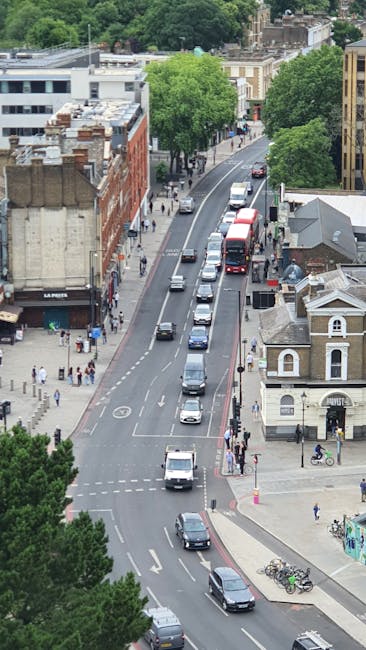
Guide to Moving Near Bow Church and Victoria Park
Moving near Bow Church and Victoria Park can be straightforward, but only if you plan for the realities of East London streets, parking pressure, building access, and the kind of move you are actually making. A flat share near Bow Church is a very different project from a family home close to Victoria Park, and a late-afternoon delivery window can change everything. This guide to moving near Bow Church and Victoria Park gives you a practical, local-first approach so you can avoid delays, protect your belongings, and keep moving day under control.
Whether you are relocating a studio, a family home, or a small business space, the smartest moves in this area usually come down to preparation. You will find how local access works, what to watch for, which service options suit different situations, and how to choose a moving setup that fits your budget and timeline without creating extra stress.
Quick takeaway: around Bow Church and Victoria Park, good timing, good access planning, and the right vehicle size matter just as much as the packing itself.
Table of Contents
- Why Moving Near Bow Church and Victoria Park Matters
- How Moving Near Bow Church and Victoria Park Works
- Key Benefits and Practical Advantages
- Who This Is For and When It Makes Sense
- Step-by-Step Guidance
- Expert Tips for Better Results
- Common Mistakes to Avoid
- Tools, Resources and Recommendations
- Law, Compliance, Standards, or Best Practice
- Options, Methods, or Comparison Table
- Case Study or Real-World Example
- Practical Checklist
- Conclusion
- Frequently Asked Questions
Why Moving Near Bow Church and Victoria Park Matters
At first glance, moving in this part of East London may look like any other urban relocation. In practice, the details are different enough to affect the whole day. Bow Church sits in a busy transport corridor with a mix of residential blocks, older streets, and routes that can feel tighter than they look on a map. Victoria Park, meanwhile, draws foot traffic, weekend visitors, family activity, and local events that can shape access and loading times.
That matters because moving is not only about lifting boxes. It is about sequencing. Can the van stop close to the entrance? Is there a lift? Will a crew need to carry items up several flights of stairs? Is the route wide enough for a man and van service, or would a larger vehicle be more efficient? These are the questions that decide whether the day feels calm or chaotic.
This area also tends to attract a mix of renters, first-time buyers, long-term residents, and small businesses. That means the move may need more than basic transport. You might need careful packing, temporary holding of furniture, or help coordinating a home-to-home transition. In that case, a broader support service such as home moves or packing and unpacking services can save a surprising amount of time and reduce breakage risk.
Truth be told, the "hard" part of a local move is often not distance. It is access. A ten-minute journey can become the most stressful part of the week if the van cannot park, the keys are delayed, or the building rules are not clear in advance.
How Moving Near Bow Church and Victoria Park Works
A smooth move in this area usually follows a simple pattern: assess the property, match the right vehicle and crew, pack in the correct order, and confirm access details before the move begins. The process sounds obvious, but the difference between a rushed move and a well-managed one is in the planning.
1. Start with the property layout
Look at the building entrance, stairwell width, lift availability, and the distance from the kerb to the front door. For homes near Victoria Park, you may also need to consider whether the street is busy at the time you want to load. If your building has timed access or concierge requirements, note those early.
2. Match the move type to the vehicle
A single-room relocation may be perfect for a small van or man with van arrangement. Larger household moves often need a more structured solution, such as a moving truck or a full removal truck hire option. If you overestimate too small, you risk multiple trips. Underestimate too large, and you may pay for space you do not use.
3. Pack by priority, not by room only
Yes, room-by-room packing helps, but priority packing is what protects your day. Keep essentials, fragile items, chargers, documents, and valuables separate. Label clearly. If you have ever opened a box labelled "miscellaneous" and found three kettle leads, a toaster, and half a set of cutlery, you already know why this matters.
4. Confirm access and timing
Check when the property can be accessed and when the van is allowed to stop. If you are moving near Bow Church Station or around the park on a busy day, give yourself a buffer. Even a short delay can affect loading bays, lift slots, or neighbour complaints.
5. Decide whether you need a full-service move
Some people only need transport. Others benefit from a more complete service, especially if the property is large, furniture is heavy, or the move involves business equipment. If you are relocating a workspace, office relocation services or commercial moves are usually a better fit than a simple one-trip van hire.
Key Benefits and Practical Advantages
The biggest advantage of a well-planned move near Bow Church and Victoria Park is control. You reduce the number of unknowns, and that is what keeps stress down. But there are several practical benefits worth calling out.
- Faster loading and unloading: A crew that understands local access can work more efficiently, especially on streets where parking is limited.
- Lower damage risk: Better packing, better lifting, and the right vehicle reduce the chance of scratches, chips, and accidental impacts.
- Less disruption: Thoughtful scheduling helps you avoid peak traffic, school runs, and busy visitor times near the park.
- Better value: Choosing the right move size can be more cost-effective than booking too much vehicle space or needing extra trips.
- Less personal strain: Heavy lifting, stair carries, and awkward furniture are exactly where professional support earns its keep.
There is also a less obvious benefit: confidence. When the logistics are sorted, you make better decisions on the day. You are less likely to panic, forget essentials, or agree to a rushed workaround that creates new problems.
If you are still comparing service types, it can help to read about a provider's approach before you book. For example, the background and service style on the company about page can give you a better sense of how they handle practical moves, communication, and customer expectations.
Who This Is For and When It Makes Sense
This guide is useful for anyone moving within, into, or out of the Bow Church and Victoria Park area. But the right moving approach depends on your situation.
It makes sense if you are:
- moving from a flat, maisonette, or terrace in the surrounding streets
- relocating between rented homes and need a quick turnaround
- moving with children and want to reduce disruption on the day
- handling bulky furniture, boxed belongings, or fragile items
- setting up or closing a small office, studio, or local business base
- trying to move outside a narrow time window because of lease or key handover constraints
You may need a different setup if:
- your building has strict loading restrictions
- you have lots of large furniture that needs disassembly
- your move requires several people for safe handling
- you need interim storage before keys are ready
For some households, a straightforward transport-only booking is enough. For others, the move is easier when combined with packing support or furniture handling. If you have heavy wardrobes, sofas, or appliances, a service such as house removalists can be a much better fit than improvising with friends and a borrowed van.
Step-by-Step Guidance
Here is a practical sequence that works well for local moves around Bow Church and Victoria Park.
- Map the move zone. Identify both addresses, access points, parking options, and any one-way streets or tight corners.
- Sort items into categories. Separate fragile items, essentials, electronics, furniture, and anything that needs dismantling.
- Measure large furniture. Check whether beds, wardrobes, and sofas will fit through hallways, lifts, and door frames.
- Choose the right service. A smaller job may suit man and van, while larger or more complex moves may need a truck or full home moving support.
- Book your preferred time early. Midweek and mid-morning slots can be easier to manage than busy weekend periods.
- Pack an essentials box. Include medication, chargers, documents, toiletries, snacks, keys, and basic cleaning supplies.
- Prepare the old property. Defrost the fridge if needed, empty cupboards, remove loose hazards, and protect floors if required.
- Brief the movers clearly. Point out fragile pieces, priority items, and anything that needs special handling.
- Check both properties on arrival. Confirm that everything has come out and gone in correctly before the crew leaves.
- Settle the essentials first. Make beds, connect utilities, and unpack the items you need the same day.
That last step is underrated. A move feels far more manageable when the kettle, phone charger, bedding, and a few basics are ready before the rest of the boxes. Comfort first. The decorative cushions can wait.
Expert Tips for Better Results
A few experienced habits make local moves noticeably easier.
Choose a vehicle with room to spare, but not too much
If a move is tightly packed, a slightly larger vehicle can prevent wasted time and reduce the need to stack things in ways that increase damage risk. On the other hand, oversized transport is not automatically better. The right fit is the one that matches the volume, the access, and the loading conditions.
Use colour-coded labels
It sounds simple because it is. Blue for kitchen, green for bedroom, red for fragile. This saves time when items are being unloaded quickly and helps you avoid the classic "which box has the plates?" problem.
Keep furniture hardware together
Put screws, brackets, and bolts in a sealed bag and tape it to the item or place it in a clearly labelled container. If you are dismantling beds, shelving, or dining tables, this small step saves a lot of frustration later.
Protect floors and corners
Older buildings and narrow stairwells are more vulnerable to scuffs than people think. A little floor protection and careful corner handling can prevent avoidable repair issues and neighbour complaints.
Use support where the move becomes physically awkward
Large mirrors, bulky wardrobes, and stairs are exactly where strain and damage usually happen. A professional team can make the process safer and quicker, especially if you combine transport with packing and unpacking services.
Common Mistakes to Avoid
Most moving problems around Bow Church and Victoria Park are predictable. That is the good news. If they are predictable, they are avoidable.
- Booking the wrong vehicle size: Too small means extra trips. Too large means paying for unused capacity.
- Ignoring parking realities: A convenient map location does not always mean easy vehicle access.
- Leaving packing until the last minute: Rushed packing increases breakage and makes unloading messy.
- Forgetting building rules: Some properties have lift bookings, move windows, or other restrictions that need to be respected.
- Not separating essentials: You do not want to be hunting for toothpaste, keys, or a phone charger after a long day.
- Assuming all moves are the same: A small flat move is not handled the same way as a family relocation or a business move.
Another mistake is trying to do everything yourself because the move looks "small enough." Sometimes it is. But if the sofa has to turn at an awkward angle on a staircase, the move stops being small in a hurry. That is exactly when support like furniture pick up or a more complete service becomes useful.
Tools, Resources and Recommendations
You do not need fancy equipment to move well, but the right tools make a visible difference.
- Sturdy boxes: Choose strong cartons in a few sizes rather than mixing too many weak containers.
- Packing tape and labels: Good tape and clear labels are basic, but essential.
- Blankets and protective wraps: Useful for tables, screens, artwork, and furniture edges.
- Dollies or trolleys: Helpful for heavier boxes and appliance movement, especially over longer internal distances.
- Measuring tape: Essential for doorways, hallways, and furniture dimensions.
- Inventory list: A simple checklist or spreadsheet can prevent missing items and speed up unpacking.
If you are comparing providers, look for clear service descriptions, transparent communication, and practical support options. A move is often easier when the company offers the right blend of transport and handling rather than a one-size-fits-all package. Depending on your needs, that might mean a dedicated moving truck, a smaller vehicle, or a more flexible local option.
For business relocations, it is sensible to review commercial moving support before making a decision. Office items, IT equipment, and files usually need a more structured approach than household boxes.
Law, Compliance, Standards, or Best Practice
Most local domestic moves do not involve complicated legal steps, but there are still important standards and practical duties to keep in mind. In the UK, you should always respect parking rules, building access terms, and local restrictions that apply to loading and unloading. If a property manager, landlord, or concierge has conditions for move-in or move-out, follow them carefully.
From a best-practice perspective, the key points are straightforward:
- do not block access routes, entrances, or emergency paths
- avoid unsafe lifting or carrying techniques
- protect common areas and report any damage immediately
- make sure items are secured in transit
- check whether any items require special handling or disposal arrangements
If you are moving office equipment, confidential materials, or business stock, you may also need to consider confidentiality, data handling, and internal record keeping. A reputable operator should be able to explain how they approach those responsibilities in plain language. If terms and service boundaries matter to your booking, reviewing the terms and conditions before confirming is a sensible habit.
For general trust and privacy questions, it is also worth checking the provider's privacy policy so you know how contact details and booking information are handled.
Options, Methods, or Comparison Table
Not every move near Bow Church and Victoria Park needs the same setup. This comparison can help you match the method to the job.
| Move type | Best for | Strengths | Watch-outs |
|---|---|---|---|
| Man and van | Small flats, a few bulky items, quick local transfers | Flexible, practical, cost-conscious | May be tight for larger furniture or heavier loads |
| Man with van | Medium-small moves, mixed boxes and furniture | Simple booking, good for city access | Still needs accurate volume planning |
| Moving truck | Larger household moves or full-room relocations | More space, fewer trips, better for organised loading | Requires better parking and access planning |
| Removal truck hire | Full-home moves, bulky furniture, bigger transport needs | Efficient for substantial loads | Best when volume is known in advance |
| Packing and unpacking | Busy households, fragile items, time-sensitive moves | Saves time, improves protection, reduces stress | Adds planning but often pays off in smoothness |
If you are unsure which route to take, think in terms of complexity rather than distance. Short local moves can still be demanding if there are stairs, no lift, heavy furniture, or a tight schedule. In that situation, choosing support early is usually cheaper than fixing problems later.
Case Study or Real-World Example
Imagine a couple moving from a third-floor flat near Bow Church to a larger rental close to Victoria Park. They have a bed frame, a sofa, a dining table, several boxes of books, kitchen items, and a few fragile lamps. On paper, this looks like a short local move. In practice, the stairwell is narrow, the parking bay at the new place is shared, and the key handover happens mid-morning.
The move goes more smoothly because they split the job into stages. First, they booked a vehicle sized for the full load rather than trying to squeeze everything into a smaller van. Second, they packed fragile items separately and labelled boxes clearly. Third, they used a service that could handle furniture lifting and transport together, which reduced the back-and-forth between addresses.
The key lesson is not that this was a complicated move. It is that ordinary moves become complicated when access is ignored. Once the loading plan matched the property reality, the day felt controlled instead of frantic. That is usually the difference between a move you remember fondly and one you would rather forget.
Practical Checklist
Use this checklist in the days before your move.
- Confirm both addresses, access details, and any building restrictions
- Measure large furniture and check doorways or stairwells
- Choose the right moving method and vehicle size
- Book your preferred move time in advance
- Label boxes by room and priority
- Pack an essentials box for the first 24 hours
- Protect fragile items with suitable wrapping
- Keep screws, brackets, and hardware together
- Clear pathways in the old and new property
- Check parking and unloading arrangements
- Review provider service details, terms, and contact information
- Set aside keys, documents, and valuables separately
If you want a smoother move, a clear plan and the right support beat last-minute scrambling every time.
Conclusion
Moving near Bow Church and Victoria Park is manageable when you treat it like a logistics project, not just a packing job. The area rewards planning: know the access, choose the right vehicle, pack in the right order, and match the service to the real shape of the move. Small decisions make a big difference here, especially around parking, stairs, and timing.
Whether you need a basic van, help with heavy furniture, or a more complete relocation service, the best outcome usually comes from choosing support that fits your property and your pace. If you are still weighing your options, take one more look at your access points and load volume, then decide based on what will make the day calmer, not just cheaper.
Get a free quote today and see how much you can save.
If you are planning a home move, office move, or a simple furniture transfer, it may also help to explore the provider's full range of support, including home moves, office relocation services, and contact options for a quick next step.
Frequently Asked Questions
What is the best moving option for a small flat near Bow Church?
For a small flat, a flexible man and van or man-with-van setup is often the most practical choice. It works well when the load is modest, access is manageable, and you want a local move without booking unnecessary vehicle space.
How far in advance should I book a move near Victoria Park?
Book as early as possible, especially if you want a specific day or time. Local demand can rise around weekends and month-end periods. Early booking also gives you time to check access, parking, and building requirements.
Do I need a bigger vehicle if I have stairs?
Not always, but stairs often slow the load-in and make it wise to plan more carefully. If you have large furniture, awkward corners, or several flights of stairs, a larger vehicle or a more complete service can be more efficient than a very small van.
Should I use packing services for a local move?
If you are short on time, have fragile items, or dislike packing more than almost anything else, packing support is worth considering. It can reduce breakages and make moving day much less frantic.
What if my new building has limited parking?
Tell the moving provider in advance. Limited parking is one of the most common issues around busy London streets. A team that knows how to plan around restricted access can usually adapt better than one that finds out on arrival.
Is a removal truck better than a man and van?
It depends on the size of the move. A removal truck is usually better for larger loads and fewer trips, while a man and van service is often ideal for smaller or medium-sized jobs. The right choice is the one that matches the volume and access conditions.
Can I move furniture without dismantling it first?
Sometimes, yes. But large wardrobes, beds, and tables are often easier and safer to move when partly dismantled. If a piece is awkward or likely to scratch walls, taking it apart can save time and trouble.
What should go in my essentials box?
Keep items you will need immediately: phone chargers, medication, documents, toiletries, snacks, a change of clothes, basic tools, and bedding. If you can make tea quickly after the move, the rest of the boxes feel less intimidating.
Are commercial moves different from home moves?
Yes. Commercial moves usually involve office equipment, files, business continuity, and more precise timing. If you are relocating a workplace, commercial moves or office relocation services are typically the better fit.
What should I check before agreeing to a moving quote?
Confirm what is included, whether the vehicle size suits your load, whether packing or furniture handling is covered, and how access issues are managed. It is also sensible to review the provider's service terms before booking.
How do I avoid damage during a move?
Use strong boxes, good wrapping, and clear labels, and make sure furniture is moved with care. Damage risk falls sharply when items are packed properly and the team understands the layout at both properties.
Where can I get help if I am moving soon?
Start with the provider's service pages, then use the contact page to ask about timing, vehicle size, and support options. If you want a broader service overview, the about page can also help you understand the team and approach before you request a quote.