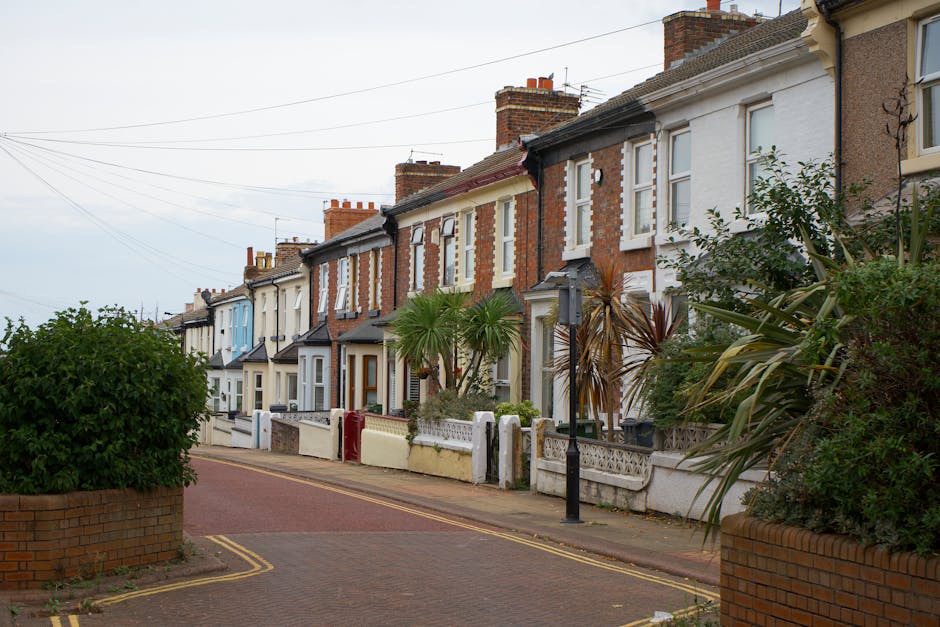
Devons Road removals access guide for tight terrace homes

If you are moving in or around Devons Road, chances are the property itself is only half the challenge. The real headache is often access: narrow front paths, shared hallways, parked cars, tight staircases, awkward corners, and not much room to swing a wardrobe, let alone a sofa. This Devons Road removals access guide for tight terrace homes is here to make that part feel manageable. It walks through what matters, how to plan properly, and how to avoid the classic last-minute scramble that turns moving day into a bit of a drama.
Terraced homes around East London often look straightforward from the outside. Then you open the front door and, well, reality says hello. The good news is that most access issues can be planned for in advance. A bit of measurement, a clear loading plan, and the right service choice can save time, reduce risk, and protect both your belongings and your walls. That is the aim here: practical, honest guidance you can actually use.
- Why access planning matters in tight terrace homes
- How the removals process works in practice
- Key benefits of planning ahead
- Who this guide is for
- Step-by-step access planning
- Expert tips that make the move smoother
- Common mistakes to avoid
- Tools, resources and recommendations
- Law, compliance and best practice
- Options and method comparison
- Real-world example
- Practical checklist
- Conclusion
- Frequently asked questions
Why Devons Road removals access guide for tight terrace homes Matters
Access is the hidden part of almost every successful move. In a tight terrace home, a removal job can be perfectly organised on paper and still go sideways if the team cannot get bulky items out safely. A sofa may be fine in the living room, but if the landing turns sharply at the top of the stairs, the real problem starts there. That is why a removals access guide matters so much in areas like Devons Road, where properties often combine older layouts, narrow entrances, and limited street space.
When access is poor, the knock-on effects show up fast. You may need more carrying time, more handling, smaller vehicles, extra parking planning, or more packing preparation to make each item easier to move. None of that is dramatic on its own, but together it can add pressure if nobody has thought it through. To be fair, most moving stress comes from uncertainty rather than the lifting itself.
There is also a simple safety point. Tighter turns, short steps, low ceilings, and cramped hallways increase the chance of knocks, scrapes, and strain injuries. A sensible access plan lowers those risks. It also protects your neighbours, which matters in terrace rows where people are sharing walls, pavements, and often a fair bit of patience.
If you are arranging a residential move, it can help to look at a broader home removals service alongside your access plan, especially if the property is a standard family terrace with limited front clearance. For smaller or less complex moves, a man and van option may also suit the space and the load better than a large vehicle trying to force the issue. Not always, but often enough.
How Devons Road removals access guide for tight terrace homes Works
Think of the access guide as a practical map of how the move will happen, from the first doorstep check to the final item loaded. It is not just about the address. It is about the physical route items will take: bedroom to landing, landing to stairs, stairs to hallway, hallway to street, then street to vehicle. Each step has to be realistic.
The process usually starts with a walk-through or a detailed conversation. The mover will want to know about entrances, staircases, parking, distance from the front door to the vehicle, any steep kerbs, and whether items need to pass through tight rooms or around sharp corners. If you know the dimensions of large furniture, that helps a lot. A quick measure of the widest sofa, bed frame, fridge, or wardrobe can save a painful surprise later.
For terrace homes, it is often the combination of factors that matters most. One tight doorway may be manageable. A tight doorway plus a bend in the stairs plus a narrow pavement parking spot? That is a different story. A good plan will allow for that. Sometimes the answer is simple disassembly. Sometimes it means choosing a smaller vehicle. Sometimes it means using extra hands and taking a slower, safer route.
If your move includes awkward furniture or items that are being moved separately, a service like furniture pick-up can be useful when you only need specific pieces collected rather than a full household move. And if you need the vehicle side sorted, removal truck hire may help when you already have labour organised but need the transport solution to match the street access. That flexibility can matter in tight roads.
Key Benefits and Practical Advantages
A well-planned access strategy gives you more than convenience. It changes the whole shape of moving day. Here are the biggest gains people notice in real terms.
- Less damage risk: Measurements and route planning reduce scrapes on walls, stair edges, banisters, and furniture.
- Less wasted time: The team can move efficiently instead of stopping every few minutes to rework the route.
- Better vehicle choice: You can match the van or truck to the street, not the other way around.
- Lower stress: Knowing what is happening and where items are going makes the day feel controlled.
- Safer lifting: Fewer awkward twists and fewer desperate manoeuvres through a too-small opening.
- Smoother neighbour relations: A tidy loading plan is simply less disruptive on a narrow terrace street.
There is a quieter benefit too: better decision-making. Once you know the access limits, you can decide what should be dismantled, what should be wrapped, and what is probably not worth forcing through a space that was never designed for it. Sometimes the smartest move is the one that avoids heroic effort. No one needs a hero with a bruised knuckle and a cracked mirror.
If your move includes a work-related relocation, you may also need to think about timing and equipment in a more structured way. In that case, the support behind an office relocation service or even a broader commercial move can be relevant if you are shifting stock, files, or small business equipment from a terrace-style premises or mixed-use property.
Who This Is For and When It Makes Sense
This guide is for anyone moving from, into, or through a tight terrace property near Devons Road where access is not generous. That includes renters, first-time buyers, landlords arranging a changeover, small families, people downsizing, and anyone moving larger furniture out of an older property with narrow circulation space.
It also makes sense if you are not sure whether the move needs a full-size removal team or a smaller, more flexible setup. A terrace home with limited front access often benefits from a more tailored approach than a standard "load everything and go" method. If your biggest pieces are already disassembled and the volume is modest, a man with van service can sometimes be a better fit than a larger removal vehicle. On the other hand, if you have a full house, heavy furniture, or a staircase that looks like it was designed by someone with a grudge, a more complete house removalist team may be the safer call.
This is also useful for people who are moving on a deadline. You know the feeling: the keys are swapped at 11 a.m., the van is expected by noon, and the kettle is somehow still packed in a box you cannot find. Tight access makes timing tighter, so planning matters even more if your window is small.
And if you are in the middle of preparing everything, packing support can save a lot of energy. A good packing and unpacking service can make bulky items easier to handle and reduce the chance of rushed, poorly wrapped furniture causing trouble at the front door.
Step-by-Step Guidance
Here is a practical way to handle removals access for a terrace home without overcomplicating it.
1. Measure the problem areas first
Start with the places most likely to create friction: front door width, hallway width, stair turns, landing space, and the size of the largest items. If a bed base, wardrobe, or sofa needs to rotate, measure the turning point as well. Straight measurements are useful. Corner and angle measurements are better.
2. Check the street outside the property
Look at where a vehicle can safely stop without causing issues. Is there resident parking? Are there yellow lines? Is there enough space for a van to park close enough to avoid a long carry? In terrace streets, the difference between 10 metres and 40 metres can be the difference between a smooth move and a tired one.
3. Decide what should be dismantled
Furniture that seems manageable in one piece often becomes awkward once you meet a narrow stairwell. Beds, tables, shelving, and large wardrobes are usual candidates for dismantling. Keep fixings in labelled bags. It sounds obvious, but people forget this all the time. Then the Allen key vanishes, and suddenly nobody is having a good day.
4. Prepare the route inside the property
Clear the stairs, hall, and landings. Move shoes, rugs, plants, bins, and anything that could trip someone or get caught under a carry blanket. If you have low hanging light fittings or wall mirrors, note them early.
5. Protect surfaces before the team arrives
Use door protectors, blankets, or simple coverings where needed. Even careful movers can bump a banister or catch a painted corner when negotiating a twisty staircase. This is especially helpful in older terraces with narrow entries and tired paintwork that marks easily.
6. Assign the loading order
Load the awkward items first while energy and space are both at their best. Then follow with boxed items, bags, and lighter furniture. The loading order matters more than most people realise. If the first ten minutes are chaotic, the rest of the job usually feels harder than it needs to.
7. Keep a clear point of contact
One person should be able to answer access questions on the day. If the team needs to know where the spare keys are, which neighbour said the drive was available, or whether the fridge has been emptied, one clear decision-maker saves endless back-and-forth.
8. Build in a little slack
Do not plan a terrace move like a sprint. Leave a buffer. Traffic, parking, a missing item, or one stubborn sofa leg can add time. A calm 20-minute buffer often feels like a miracle when the front pavement is busier than expected.
Truth be told, this is where local experience helps. A move near Devons Road is rarely impossible. It just needs the route thinking through in the same practical way a good tradesperson would think through a narrow loft hatch or a tricky staircase.
Expert Tips for Better Results
Here are the small things that often make the biggest difference.
- Photograph the access route: A quick set of pictures of the hallway, stairs, doorways, and street parking can explain more than a long message ever will.
- Measure the largest items with packaging included: A wrapped mattress or padded table can be wider than you expect.
- Label rooms, not just boxes: In a terrace home, boxes stacked in the wrong landing area create clutter fast.
- Use smaller loads for difficult properties: More trips may sound annoying, but they can be safer than forcing oversized loads through a tight route.
- Keep a clear path from front door to vehicle: One blocked step can slow the entire team.
- Think about weather: A wet pavement, winter dusk, or a windy day can make carrying slower and more careful. You notice these things more than you think.
One tip that people often overlook: pack by access difficulty, not just by room. If the dining table comes apart easily but the wardrobe does not, the wardrobe should be handled first. That way the hardest item gets the best energy and the clearest route.
If you are moving a lot of bulky items, or if the access is too tight for a standard van, it may be worth looking at a moving truck only if the street and turning space can genuinely support it. Bigger is not always better. Sometimes it is just bigger.
Common Mistakes to Avoid
Most access problems come from avoidable assumptions. These are the big ones.
- Assuming the furniture will "just fit": It might. Or it might stick half-way through the hallway like a stubborn cork. Measure first.
- Forgetting about turning space: A doorway is only one part of the equation. Corners and landings are often the real issue.
- Leaving parking to the last minute: In a terrace row, that can create delays very quickly.
- Not preparing for disassembly: If a wardrobe can be broken down in advance, do it.
- Underestimating the carry distance: A van parked one street away changes the whole operation.
- Ignoring neighbours and shared space: A little communication goes a long way on busy residential streets.
- Overpacking boxes: Heavy boxes are harder to carry through narrow routes and more likely to split.
There is also the "we will sort it on the day" mistake. That plan sounds flexible, but in a tight terrace it usually means people are improvising under time pressure. Not ideal. In fact, it is the opposite of ideal.
Tools, Resources and Recommendations
You do not need a warehouse of specialist gear, but a few simple tools help a lot.
- Tape measure: For doors, furniture, hallways, and staircase widths.
- Protective blankets and wrap: To reduce scuffs and scratches.
- Furniture sliders: Helpful for shifting heavier pieces inside before lifting.
- Basic screwdriver or Allen key set: Essential for dismantling beds, shelving, and some tables.
- Labels and marker pens: For box rooms, fixings, and priority items.
- Phone camera: A surprisingly useful planning tool for access photos.
For some moves, the right support is more about coordination than heavy lifting. A trusted removals provider can often advise whether your job is best handled as a home move, a smaller carry, or a more vehicle-led job. If you are looking for the service side of that decision, reviewing home move support alongside the practical access plan can help you match service level to property layout.
And if you are arranging a short-notice move with only a few large pieces, a simple man with van option can sometimes be the most efficient route. You get flexibility, and the street does not have to accommodate a vehicle that is too large for the space.
Law, Compliance, Standards, or Best Practice
For a residential move, there is no single one-size-fits-all rulebook for terrace access, but there are sensible UK best practices worth following. Parking restrictions, loading rules, neighbour access, and property damage risk should all be considered carefully. If a vehicle may need to stop on a restricted street, make sure the arrangement is lawful and appropriate for the location. Do not assume a loading stop is fine just because it feels quick. Local enforcement can vary, and the wrong stop can create delays or penalties.
Health and safety also matters. Anyone lifting furniture should avoid unsafe handling, especially on narrow stairs, sharp turns, or wet surfaces. In plain English, if an item is too heavy, too awkward, or too risky to move manually, it should be broken down, shared between more people, or moved with more suitable equipment. Common sense is not glamorous, but it is effective.
Best practice in removals also includes communication. Let the team know about steep steps, fragile bannisters, low ceilings, and any shared entrances. If the move involves business items or stock, you may need more structured planning, especially if you are using office relocation services or a more specialised commercial move. That is less about formality and more about reducing avoidable disruption.
Privacy and terms also matter when you book any service online. It is always sensible to review a provider's privacy policy and terms and conditions so you know how your information, booking details, and service expectations are handled. Nothing dramatic, just good housekeeping.
Options, Methods, or Comparison Table
Different move types suit different access conditions. Here is a straightforward comparison to help you decide what fits a tight terrace home best.
| Option | Best for | Strengths | Watch-outs |
|---|---|---|---|
| Full house removals team | Larger household moves, multiple rooms, heavy furniture | More hands, better coordination, less stress for complex jobs | May be more than you need for a small load |
| Man and van | Smaller moves, flexible loading, limited access streets | Good flexibility, often easier in tight terrace roads | May require more packing and preparation from you |
| Man with van | Light-to-medium loads, local moves, single-room moves | Simple, adaptable, useful when access is tight but volume is modest | Not ideal for very large or fragile household loads |
| Removal truck hire | Moves where transport is the main need | Useful if labour is already organised | Only practical if street access and turning space suit the vehicle |
| Furniture pick-up | Single items or a few bulky pieces | Efficient for specific collections | Not designed for a whole-home relocation |
The main decision is not just what you are moving. It is how the access works. A small van with a careful loading plan can outperform a larger vehicle that spends half the day trying to find a safe place to stop. That is just how terrace streets behave.
Case Study or Real-World Example
Here is a realistic example based on the kind of access pattern people often face around Devons Road.
A couple moving from a two-bedroom terrace had a sofa, a bed frame, a wardrobe, a washing machine, and about 35 boxes. On paper, not huge. But the front path was narrow, the hallway turned sharply, the stairs bent at the top, and street parking was tight by late morning. They thought the sofa would need to be carried upright through the hallway. It nearly would have done, but the angle at the top of the stairs made that plan poor.
Instead, they measured the staircase in advance, dismantled the wardrobe, removed the sofa feet, and had the washing machine drained and ready before the van arrived. They also cleared the landing and kept one person at the front door to answer questions. The move still took concentration, but it was calm. No one was rushing, nobody was improvising with a screwdriver, and the walls came through without a scratch. A small win, but a meaningful one.
The key lesson? Access problems are usually solvable if they are identified early enough. The property did not change. The plan did. And that made all the difference.
Practical Checklist
Use this checklist before moving day. It is simple, but it covers the points that matter most in tight terrace homes.
- Measure all doorways, hallways, stair widths, and turning points.
- Check the size of the largest furniture items with packaging included.
- Confirm where the vehicle can legally and safely stop.
- Decide what needs dismantling in advance.
- Remove items from stairs, halls, and landings.
- Protect bannisters, walls, and door frames where needed.
- Label boxes by room and priority.
- Keep fixings and tools in one clearly marked bag.
- Tell movers about low ceilings, steep steps, and fragile areas.
- Have one person responsible for access questions on the day.
- Allow extra time for loading and carry distances.
- Review the service terms and service details before booking.
Expert summary: the better your access plan, the less moving day feels like a puzzle. A tight terrace home does not need a perfect plan, just a practical one. Measure early, communicate clearly, and choose a service level that matches the street as well as the property. That is the real trick.
Conclusion
A tight terrace move near Devons Road is rarely about brute force. It is about route planning, realistic expectations, and making smart choices before the first box is lifted. When access is thought through properly, the move feels lighter, faster, and far less stressful than it would otherwise. You do not need to over-engineer it. You just need to respect the space you are working with.
If you are still weighing up the right support, the best next step is to match the service to the property layout and the size of the load. For a lot of local moves, that means choosing flexibility over excess and preparation over guesswork. Simple, really. Well, simple once you know what to look for.
Get a free quote today and see how much you can save.
And if the day feels bigger than the job, pause, breathe, and remember that good moves are built on calm decisions, not rushed ones. One careful step at a time, that is usually enough.
Frequently Asked Questions
What makes terrace home removals around Devons Road more difficult?
The main issue is restricted access. Narrow hallways, tight stair turns, limited front space, and street parking can all make ordinary furniture awkward to move. The property may be perfectly liveable, but not especially easy for large items.
How do I know if my sofa or wardrobe will fit through the stairs?
Measure the widest part of the item and compare it with the narrowest point on the route, including corners and landings. If the item must turn, measure the turning space too. If you are unsure, photos and dimensions shared early can save a lot of guesswork.
Should I dismantle furniture before a move?
Usually, yes, if it improves the route and lowers the risk of damage. Beds, wardrobes, shelving, and some tables are common candidates. Keep screws and fixings labelled so reassembly does not become a treasure hunt.
Is a man and van suitable for a tight terrace house?
Often it is, especially for smaller or medium-sized loads. A man and van setup can be a good fit when access is tight and the load is manageable. For bigger homes, you may need a fuller removal team.
When is a full removal team better than a smaller service?
If you have multiple rooms, heavy furniture, lots of boxes, or a staircase that makes moving more technical, a fuller team is usually the safer choice. More hands can mean better handling and less strain on the day.
What should I tell the removals team before moving day?
Tell them about parking limits, narrow entrances, stairs, low ceilings, shared access, large furniture, and anything fragile or awkward. The more accurate the information, the easier it is to plan the right vehicle and crew.
Do I need to arrange parking in advance?
If the street is tight or parking is limited, yes, it is worth thinking about early. Even if you cannot reserve a space formally, knowing the likely loading point can prevent delays. In terrace streets, parking is often half the battle.
Can removals teams handle awkward or oversized items?
Many can, but it depends on the item and the access route. Sometimes the solution is disassembly, sometimes extra labour, and sometimes a different vehicle. If an item is too awkward for the available space, forcing it is usually the worst option.
What is the safest way to protect walls and bannisters?
Use blankets, covers, or other protective materials before the move starts, especially around corners and narrow stairwells. Even careful movers can catch a frame edge if the route is tight. A little protection goes a long way.
How far in advance should I plan access for a terrace move?
Ideally, as soon as you know you are moving. A week or two is better than a day or two, especially if parking or dismantling is involved. Early planning gives you time to measure, organise, and avoid rushed decisions.
What if I have only a few items but difficult access?
That is where smaller, flexible services can shine. A man with van arrangement or a targeted furniture pick-up can be more practical than booking a larger move that does not suit the property layout.
Do I need packing help if the move is only local?
Not always, but packing support can still be useful if you have fragile items, bulky furniture, or very little time. A packing and unpacking service can reduce stress and make access easier by preparing items properly.
How do I choose between truck hire and a smaller vehicle?
Choose based on the street, not just the volume. If the road is narrow or parking is tight, a smaller vehicle may be easier and safer even if it means a few extra trips. If the load is large and the access allows it, removal truck hire may be more efficient.
Can access planning help prevent damage and delays?
Yes, very much so. When you measure routes, clear the property, and choose the right service, you reduce the chance of scuffs, repeated lifting, and slow loading. It is one of those quiet bits of prep that pays off properly on the day.